Faculties


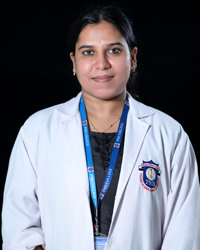
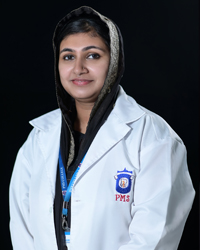




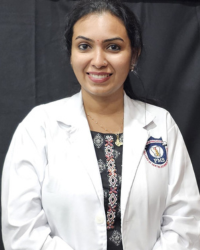
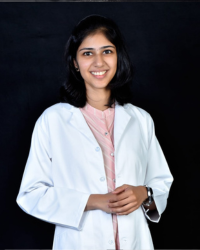
Periodontology
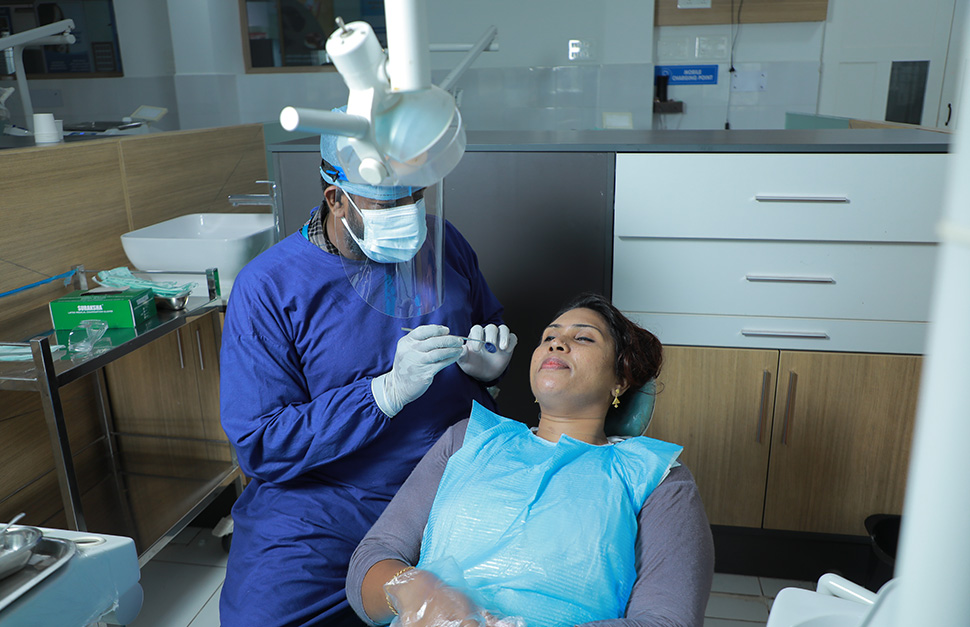
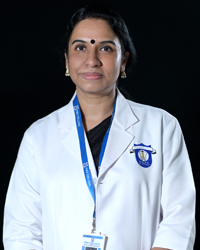
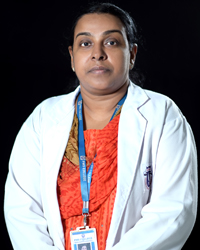
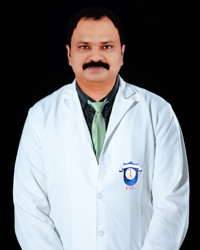
Periodontics is the branch of dentistry that deals with diagnosis and treatment of diseases of periodontium i.e., supporting structures of teeth. Esthetic procedures like depigmentation, gingival contouring for smile design, management of gummy smile etc. are also carried out in the department. We train undergraduate students to primarily diagnose various periodontal conditions and diseases. They also learn to perform the nonsurgical management of periodontal diseases as well as simple surgical procedures like frenectomy, crown lengthening, gingivectomy etc. During their training period they are encouraged to observe and assist various surgical procedures performed in the department. Our department possess advanced clinical facilities like soft tissue laser and centrifuge for preparing various platelet concentrates. Post graduate students are also trained to place dental implants, advanced dental implant procedures like sinus augmentation, ridge augmentation as well as to manage peri-implant complications. Advanced research facilities comprising of microbiological tools (BANA) are also available in the department.Types of Prosthodontic Treatments
Oral restoration treatment using prosthodontic appliances that are fixed into the patient’s mouth is known as fixed prosthodontics. Dental Crowns, Dental Bridges, Inlays, and Veneers are common examples of fixed prostheses.
Complete or partial dentures that replace a missing tooth/teeth in a patient’s mouth and can be removed and cleaned easily are known as removable prosthodontic appliances.
Highly specialized treatment procedures related to cleft lip and palate of the mouth, pinna (the external part of the ear), nose, eye, and chin come under maxillofacial prosthodontics. Prostheses such as Speech Bulbs, Palatal Lifts, Obturators, and Palatal Augmentation Devices are used in the treatment.
When a patient has issues with missing tooth roots, he/she will need dental implants which are sturdy, rigid screw / cylinder-like structures that provide support and durability to a dental bridge, denture, or maxillofacial prosthesis.
Benefits of Prosthodontic Care
01
Aesthetic restoration after an injury or accident trauma
02
Functional restoration for optimising bite, chewing and digestion, speech issues, and sleep disorders
03
Conservation of tissues damaged due to dental decay.
04
Oral reconstruction after chronic illnesses like cancer
Advances in Prosthodontic Technology
The most significant advancement in prosthodontics, and in dentistry in general, has to be the integration of digital technology into dental practice. The use of CAD / CAM technology and 3D printing have revolutionized the design and fabrication of dental prostheses, improved the quality and precision of the appliances, and reduced the turnaround time for treatment.
There have also been improvements in the prosthodontic materials being used in dental restorations. Biomimetic materials that are designed to mimic the natural composition of tooth enamel and dentin enable prosthodontists to provide restorations that look like the patient’s natural teeth and are functionally compatible. High-performance prostheses made of advanced polymers and reinforced ceramic composites have also gained popularity due to their strength and durability, and are being used in bridges and crowns for posterior teeth where high stress resistance is required.